


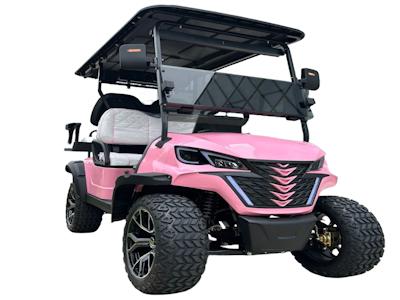
Гольф-кары, изначально разработанные для удобства перемещения по полям для гольфа, сегодня нашли широкое применение в различных сферах: от курортных зон и складских помещений до частных усадеб и городских территорий. Эти компактные и маневренные транспортные средства предлагают эффективное решение для коротких поездок, но ключевым аспектом, определяющим их функциональность, является тип привода. Электрический или бензиновый — каждый из них обладает уникальными характеристиками, которые могут значительно повлиять на эксплуатацию, стоимость и экологичность. В этой статье мы проведем детальное сравнение электрического и бензинового приводов для гольф-каров, рассматривая технические, экономические и экологические аспекты, чтобы помочь вам сделать осознанный выбор, соответствующий вашим потребностям и ценностям.
С развитием технологий и растущим вниманием к устойчивому развитию, электрические гольф-кары набирают популярность, предлагая бесшумную работу и нулевые выбросы. Однако бензиновые модели остаются востребованными благодаря своей мощности и простоте в обслуживании. Выбор между ними зависит от множества факторов: частоты использования, бюджета, требований к производительности и экологических предпочтений. Мы углубимся в каждый из этих аспектов, предоставляя объективные данные и практические рекомендации.
Цель этой статьи — не просто перечислить преимущества и недостатки, а создать целостную картину, которая позволит вам оценить, какой тип привода лучше подходит для вашей конкретной ситуации. Мы начнем с обзора каждого типа, затем перейдем к сравнительному анализу и завершим выводами, которые помогут принять взвешенное решение. Whether you are a golf enthusiast, a business owner, or simply someone looking for a reliable utility vehicle, this guide will equip you with the knowledge needed to choose wisely.
Электрический привод: Экологичность и современность
Электрические гольф-кары приводятся в движение электродвигателями, питаемыми от аккумуляторных батарей. Этот тип привода стал символом инноваций и экологической ответственности, предлагая ряд преимуществ, которые делают его attractive option for many users. Основные компоненты электрической системы включают батареи (обычно свинцово-кислотные или литий-ионные), контроллер, электродвигатель и систему зарядки. Такая конструкция обеспечивает плавную и тихую работу, что особенно ценно в местах, где шум может быть disruptive, such as residential areas or golf courses during play.
Одним из ключевых преимуществ электрического привода является его экологичность. В отличие от бензиновых аналогов, электрические гольф-кары не производят выхлопных газов, что сокращает углеродный след и contributes to cleaner air. Это делает их идеальными для использования в закрытых помещениях или на территориях с strict environmental regulations. Кроме того, with the global push towards renewable energy, charging an electric golf car from solar or wind sources can further enhance its sustainability profile.
Экономия на топливе — another significant benefit. Electricity is generally cheaper than gasoline, especially when considering long-term use. For example, the cost to charge an electric golf car might be a fraction of what you would spend on fuel for a gasoline model over a year. Maintenance is also simpler and less frequent; electric systems have fewer moving parts, reducing the likelihood of mechanical failures. There are no oil changes, spark plug replacements, or fuel filter issues to worry about, which can save both time and money.
Однако electric drives are not without drawbacks. The initial purchase price is often higher due to the cost of batteries and technology. Battery life and range can be limiting factors; most electric golf cars need recharging after 20-40 miles, depending on usage and battery type. Cold weather can reduce battery efficiency, and charging infrastructure must be available. Despite these challenges, advancements in battery technology, such as the adoption of lithium-ion batteries, are continuously improving range and durability, making electric options more viable than ever.
В целом, электрический привод предлагает modern, clean, and cost-effective solution for those who prioritize environmental impact and low operating costs. It is well-suited for frequent use in controlled environments where noise and emissions are concerns.
Бензиновый привод: Мощность и надежность
Бензиновые гольф-кары оснащены двигателями внутреннего сгорания, similar to those found in small cars or lawn equipment. This type of drive has been the traditional choice for decades, valued for its power, range, and familiarity. Бензиновые двигатели typically range from 200cc to 400cc, providing ample torque and speed, which can be advantageous for hilly terrain or carrying heavy loads. The fuel system includes a tank, carburetor or fuel injection, and exhaust, all of which contribute to a robust performance profile.
Основное преимущество бензинового привода — его мощность и endurance. These cars can often travel longer distances on a single tank of gas compared to electric models on a charge, making them suitable for extended use without refueling stops. They are also less affected by temperature extremes; cold weather might make starting harder, but it doesn't significantly reduce range like it does with batteries. For users in rural or remote areas where charging stations are scarce, gasoline models offer greater flexibility and independence.
Стоимость приобретения обычно ниже, чем у электрических аналогов, что делает бензиновые гольф-кары more accessible for budget-conscious buyers. The technology is well-understood, and parts are widely available, simplifying repairs and maintenance. However, operating costs can be higher due to fuel expenses, and maintenance is more involved. Regular tasks include oil changes, air filter replacements, and spark plug checks, which require more attention and can add up over time. Additionally, gasoline engines produce noise and emissions, which may not be desirable in quiet or enclosed spaces.
Экологические аспекты являются значительным недостатком. Бензиновые двигатели emit carbon dioxide, nitrogen oxides, and other pollutants, contributing to air pollution and climate change. This can be a drawback for organizations focused on sustainability or for use in areas with air quality regulations. Despite this, for those who need raw power and long range, the gasoline drive remains a reliable and effective choice.
В summary, бензиновый привод предлагает tried-and-true performance with high power and range, ideal for demanding applications where charging infrastructure is limited. It is a practical option for users who value durability and are less concerned about environmental impact.
Сравнительный анализ: Ключевые факторы выбора
Чтобы сделать informed decision между электрическим и бензиновым приводом, необходимо рассмотреть несколько critical factors. В этом разделе мы проведем прямое сравнение по таким параметрам, как стоимость, производительность, обслуживание, экологичность и удобство использования. Мы представим данные в табличной форме для наглядности и добавим комментарии based on real-world scenarios.
Стоимость: Первоначальная и эксплуатационная
Электрические гольф-кары typically have a higher upfront cost due to the expense of batteries and electronic components. For instance, a new electric model might cost $5,000 to $10,000, whereas a gasoline model could be $3,000 to $7,000. However, operating costs tell a different story. Electricity is cheaper than gasoline; on average, charging an electric golf car might cost $0.10 per mile, while fueling a gasoline model could cost $0.20 per mile or more, depending on fuel prices. Over a year of moderate use (say, 1,000 miles), the electric model could save $100 or more in fuel costs. Maintenance costs are also lower for electric drives, as they require fewer parts replacements. В долгосрочной перспективе, electric models often prove more economical, especially with incentives for green technology.
Производительность: Мощность, скорость и диапазон
Бензиновые приводы generally offer higher top speeds and better torque for climbing hills. A gasoline golf car might reach speeds of 15-25 mph and handle inclines with ease, thanks to the instant power of combustion engines. Electric models, while smooth and quiet, may have lower top speeds (10-20 mph) and can struggle on steep hills unless equipped with high-capacity batteries. In terms of range, gasoline models excel; they can go 100-200 miles on a full tank, whereas electric models are limited to 20-40 miles per charge. This makes gasoline better for long-distance or all-day use, while electric is sufficient for shorter, repetitive trips.
Обслуживание и надежность
Электрические системы have fewer mechanical parts, reducing the risk of breakdowns. Maintenance involves primarily battery care—checking water levels for lead-acid batteries or monitoring charge cycles for lithium-ion. There are no oil changes or exhaust system repairs. Бензиновые системы require regular maintenance: oil changes every 50-100 hours of use, spark plug replacements, and air filter changes. This can be more time-consuming and costly. However, gasoline engines are often perceived as more durable in harsh conditions, and repairs are straightforward for those with mechanical knowledge. Reliability depends on usage; electric drives may last longer with proper care, but gasoline drives can endure rough treatment.
Экологичность и воздействие на окружающую среду
Электрические гольф-кары produce zero emissions during operation, making them environmentally friendly. Even when considering the electricity generation for charging, if sourced from renewables, the overall carbon footprint is low. Бензиновые модели emit greenhouse gases and contribute to air pollution. This is a significant factor for users in eco-sensitive areas or those with corporate sustainability goals. Additionally, electric models operate quietly, reducing noise pollution, which is beneficial in residential or recreational settings.
Удобство использования: Зарядка vs. Заправка
Зарядка электрического гольф-кара requires access to an electrical outlet and takes several hours (e.g., 4-8 hours for a full charge). This can be inconvenient if the vehicle is needed frequently without long breaks. Заправка бензином is quick and easy, taking only minutes, and gasoline is widely available. For users with irregular schedules or limited charging infrastructure, gasoline might be more practical. However, for daily use in a fixed location, such as a golf course or warehouse, electric charging can be scheduled during off-hours, minimizing disruption.
| Фактор | Электрический привод | Бензиновый привод |
|---|---|---|
| Первоначальная стоимость | Выше ($5,000-$10,000) | Ниже ($3,000-$7,000) |
| Эксплуатационная стоимость | Низкая (дешевая зарядка, меньше обслуживания) | Высокая (дорогое топливо, регулярное обслуживание) |
| Производительность | Умеренная скорость, ограниченный диапазон | Высокая скорость, длинный диапазон |
| Обслуживание | Простое, реже | Частое, сложнее |
| Экологичность | Отличная (нулевые выбросы) | Низкая (выбросы загрязняющих веществ) |
| Удобство | Зависит от зарядной инфраструктуры | Высокое (быстрая заправка) |
Это сравнение highlights that there is no one-size-fits-all answer. Your choice should align with your specific needs: if you value eco-friendliness and low operating costs, go electric; if you need power and range, choose gasoline.
Практические рекомендации и заключение
На основе проведенного анализа, вот некоторые practical recommendations to guide your decision. First, assess your usage patterns: How often will you use the golf car? For short, daily trips on flat terrain, an electric model is efficient and cost-effective. For occasional use with long distances or h areas, gasoline might be better. Consider your budget: If you can afford the higher initial cost, electric saves money over time. If upfront cost is a constraint, gasoline is more accessible.
Second, evaluate your environment: In noisy or enclosed spaces, electric's quiet operation is a plus. In areas with poor charging infrastructure, gasoline's quick refueling is advantageous. Also, think about maintenance skills: If you're not comfortable with mechanical work, electric's simplicity is beneficial. For those who enjoy tinkering, gasoline offers more hands-on opportunities.
Third, factor in environmental values: If sustainability is important to you or your organization, electric is the clear choice. Look for incentives or rebates that might offset the cost. For example, some regions offer tax credits for electric vehicles.
In conclusion, both electric and gasoline drives have their place in the world of golf cars. Electric drives represent the future, with advancements in battery technology making them increasingly viable. They offer cleanliness, quietness, and economy, ideal for modern, eco-conscious users. Gasoline drives provide reliability, power, and convenience, suited for traditional or demanding applications. Ultimately, the best choice depends on your individual circumstances—weigh the factors discussed, and you'll find the perfect fit for your needs.
Сделайте осознанный выбор, и ваш гольф-кар будет служить вам долго и эффективно, whether you opt for the whisper-quiet electric or the robust gasoline drive. Remember, technology is always evolving, so stay informed about new developments that might influence your decision in the future.